

Blog
Categories
Tags
Recent Posts
- All
- Health & Fitness
- Physiotherapy & Sports Massage


- July 1, 2026
- Author :lavanya nambiar
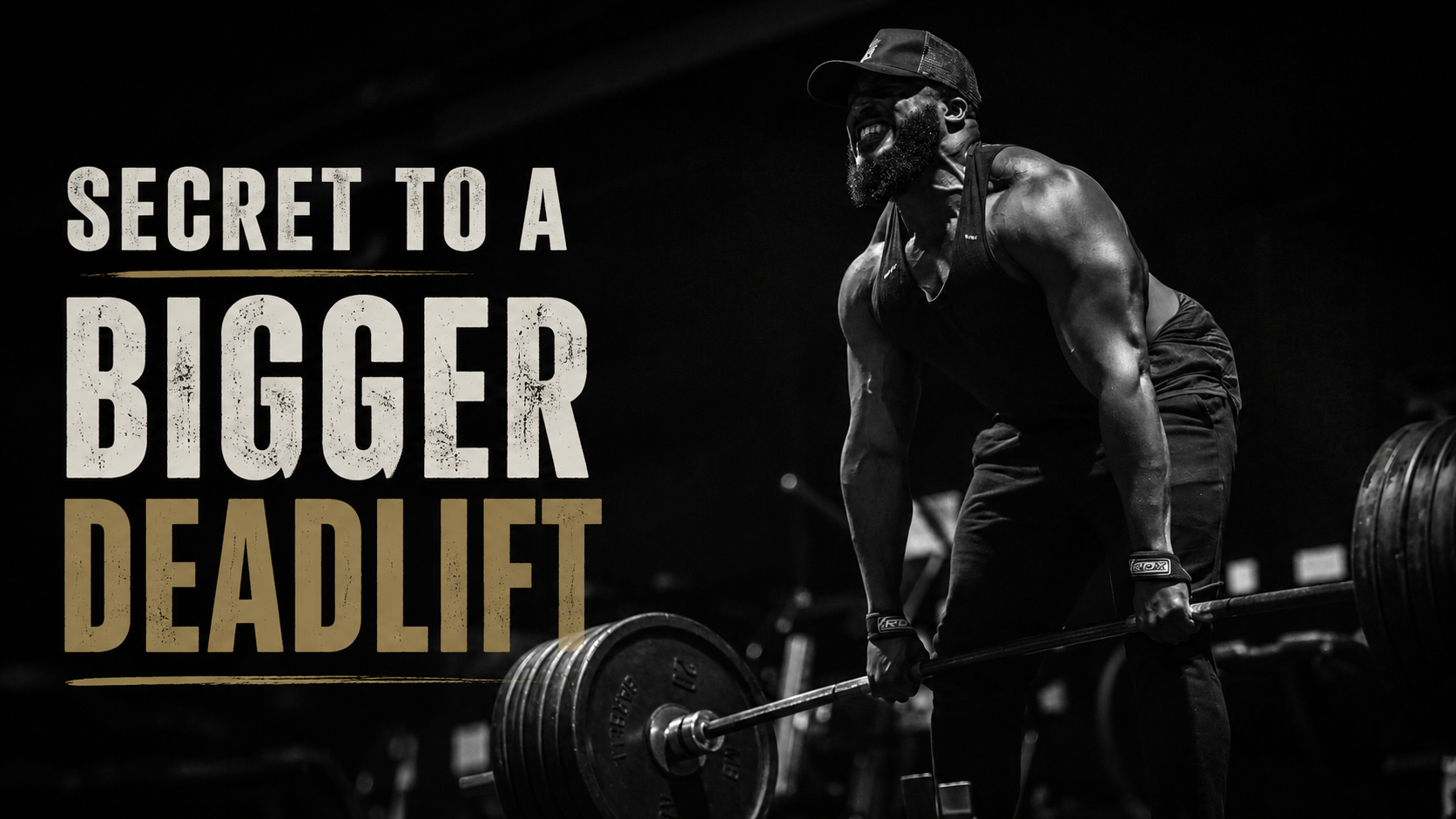
SPECIAL EXERCISES: THE SECRET TO A BIGGER DEADLIFT
Author: Venkateshwaran V.
When people want to improve their deadlift, the first thing they usually do is deadlift more. While that sounds logical, it isn’t always the best solution. Some of the strongest deadlifters in the world spend a lot of time doing the exercises that don’t look like a conventional deadlift at all.
The deadlift is often called the ultimate test of strength because it challenges almost every muscle in the body. It mainly targets the posterior chain, which includes the glutes, hamstrings, and lower back. Since these muscles do most of the work during a deadlift, building them should be a priority for anyone looking to increase their numbers,
One of the most effective exercises for improving the deadlift is the Safety Squat Bar (SSB) Squat. This variation forces the lifter to stay upright while placing extra stress on the upper back, lower back,hips, and legs. It helps build the strength needed to break the bar off the floor and maintain good positioning throughout the lift.
Another exercise that deserves attention is the SSB Good Morning. Although it may look simple, it is one of the best movements for strengthening the hamstrings, glutes,and lower back. These muscles are the foundation of a strong deadlift. Front squats and Zercher squats are also excellent choices because they improve leg strength, core stability, and overall body control under heavy loads.
In addition to these exercises, deadlift variations such as Speed pulls with bands, rack pulls can help target specific weaknesses. For example, speed pulls improve explosiveness, while rack pulls focus on strengthening the lockout. Training different parts of the lift separately is a smart way to continue making progress and avoid plateaus.
One lesson that stands out from Louie Simmons’ approach to training is that deadlift success is built through variety. Instead of repeating the same movement week after week, he encouraged lifters to rotate exercises and attack their weak points. This not only helps improve performance but also reduces the risk of overuse injuries.
At the end of the day, a bigger deadlift is about more than simply pulling heavier weights.Strong hamstrings, solid core strength, and the right assistance exercises all contribute to success. If you’re serious about improving your deadlift, don’t just focus on the lift itself- focus on building the muscles and movements that support it. That’s often where the biggest gains are made.

We believe that exercise isn’t just about how it makes you look, but also how it makes you feel. Get fit today.
Contacts
B1&B2, Ground floor, Aswathi Apartments, No:4, 2nd Cres Park Rd, Gandhi Nagar, Adyar, Chennai, Tamil Nadu 600020
Whatsapp Number: 98419 11267
Every day: 6:00 am – 20:00 pm
Saturday: 6:00 am – 15:00 pm
Sunday: Closed
Read Our Blog
Never miss a moment of updates with this collection of our newest trends and tips in fitness industry.
Copyright © 2026 Futureselfperformanceinstitute